

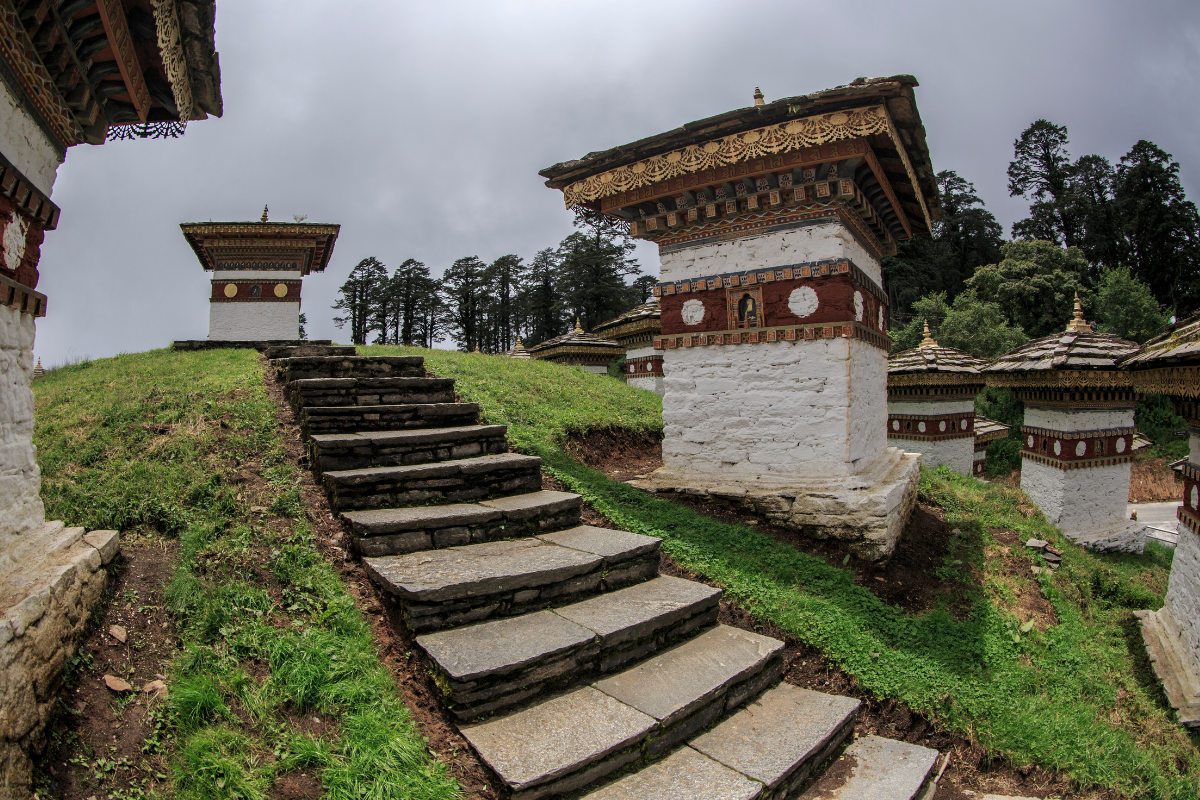
Bhutan, nestled in the heart of the Himalayas, is a land of dramatic landscapes, ancient monasteries, and vibrant cultural traditions. For Australians planning their journey, travel to Bhutan from Australia requires careful consideration of the country’s unique weather patterns, as the climate varies significantly across regions and seasons. Understanding Bhutan’s weather is essential not only for comfort and safety but also for maximizing sightseeing opportunities, trekking adventures, and cultural experiences.Each season in Bhutan offers distinct experiences, from the colorful floral blooms of spring to the crisp, clear skies of autumn. These seasonal variations also influence the timing of major cultural events, including the Thimphu Festival 2026, a highlight that showcases Bhutanese music, dance, and spiritual rituals. Australian travelers who plan their trip with the weather and festival calendar in mind can enjoy a more immersive and rewarding experience. This guide explores Bhutan’s climate throughout the year, helping Australians plan their travel strategically, enjoy cultural festivals like the Thimphu Festival 2026, and make the most of every moment in this Himalayan kingdom.
Understanding Bhutan’s Climate
Travelling to Bhutan from Australia requires understanding the kingdom’s unique climate. Nestled in the eastern Himalayas, Bhutan experiences a diverse range of weather patterns influenced by altitude, topography, and the monsoon. The country is divided into three major regions: the southern plains, central valleys, and northern highlands. Each region has its own microclimate, meaning that travelers can encounter vastly different conditions within a single day.
In general, Bhutan has four distinct seasons: spring, summer, autumn, and winter. The weather is influenced heavily by the Indian monsoon, which brings heavy rainfall to the southern and central regions from June to September. Temperatures also vary according to altitude. While the lowlands can be warm, highland areas such as Bumthang or Punakha experience cool to cold temperatures year-round.
Understanding Bhutan’s seasonal patterns is essential for Australians planning their visit, particularly those interested in outdoor activities, trekking, or participating in festivals such as the Thimphu Festival 2026.
Spring in Bhutan: March to May
Spring is arguably one of the best times to travel to Bhutan from Australia. During this period, Bhutan’s valleys and hillsides transform into a vivid canvas of colors. Rhododendrons, magnolias, and other alpine flowers bloom abundantly, making the scenery breathtaking.
Weather Conditions
- Daytime temperatures in the valleys range from 15°C to 25°C.
- Nights can be chilly, especially in higher elevations, so layered clothing is recommended.
- Rainfall is moderate but increases towards May, particularly in the southern regions.
Advantages of Spring Travel
- Scenic Beauty: The lush landscapes and colorful blooms make spring ideal for photography and nature walks.
- Mild Temperatures: Comfortable temperatures make trekking and sightseeing enjoyable.
- Festivals: Spring hosts some of Bhutan’s cultural events, providing travelers with an immersive experience of local traditions.
Recommended Activities
- Trekking in the Paro and Punakha valleys.
- Visiting monasteries such as Tiger’s Nest Monastery (Paro Taktsang).
- Exploring Punakha Dzong, especially when the river flows are at their fullest from melting snow.
Summer in Bhutan: June to August
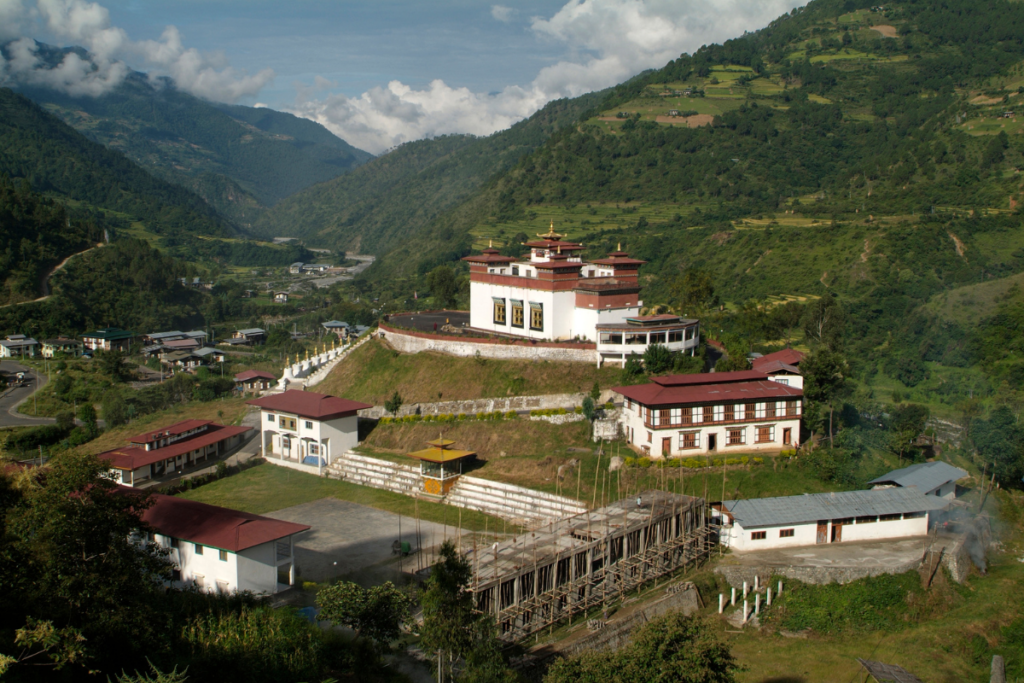
Summer in Bhutan coincides with the monsoon season, making travel slightly more challenging but still rewarding.
Weather Conditions
- Heavy rainfall is typical, especially in southern and central regions.
- High humidity can make outdoor activities less comfortable.
- Northern areas and high-altitude locations tend to be cooler and drier.
Advantages of Summer Travel
- Fewer Tourists: Due to monsoon rains, there are fewer international visitors.
- Lush Landscapes: The countryside turns a vibrant green, ideal for nature lovers and photography enthusiasts.
- Lower Prices: Many tour operators offer slightly lower rates during the monsoon season
Considerations
- Road conditions can be affected by rain, especially on winding mountain routes.
- Outdoor activities like trekking may be limited to safer, lower-altitude trails.
Despite these challenges, adventurous travelers can enjoy tranquil rivers, misty mountain views, and a unique experience of Bhutan’s monsoon season.
Autumn in Bhutan: September to November
Autumn is considered the peak season for Australians travelling to Bhutan. The weather is clear, mild, and comfortable, making it perfect for sightseeing and trekking.
Weather Conditions
- Daytime temperatures range from 20°C to 25°C in the valleys.
- Nights can be cool, especially in higher altitudes.
- Minimal rainfall and clear skies provide stunning views of the Himalayas.
Advantages of Autumn Travel
- Ideal Trekking Conditions: Trails are dry, and the visibility is excellent for Himalayan panoramas.
- Cultural Events: Autumn coincides with several traditional festivals, including Thimphu Festival 2026, a highlight for visitors seeking authentic Bhutanese culture.
- Photography Opportunities: Clear skies and vibrant landscapes make this the most photogenic season.
Autumn offers the perfect balance of comfort, culture, and scenery for travellers from Australia seeking a memorable Bhutan experience.
Winter in Bhutan: December to February
Winter in Bhutan brings crisp air, clear skies, and a quieter atmosphere. It is an ideal time for travellers who enjoy peaceful exploration and want to experience Bhutan without the crowds.
Weather Conditions
- Daytime temperatures in the valleys are mild, between 10°C and 20°C.
- Nighttime temperatures can drop below freezing in high-altitude areas.
- Snowfall occurs in northern Bhutan, especially in Bumthang and higher Himalayan regions.
Advantages of Winter Travel
- Snow-Capped Peaks: The Himalayas are breathtaking under winter snow.
- Festive Atmosphere: Local celebrations and traditional rituals take place during this season.
- Less Crowded: Popular tourist spots are quieter, providing a more intimate experience.
Winter travel requires proper clothing and preparation for cold weather, particularly in northern and highland regions.
Best Time to Travel to Bhutan from Australia
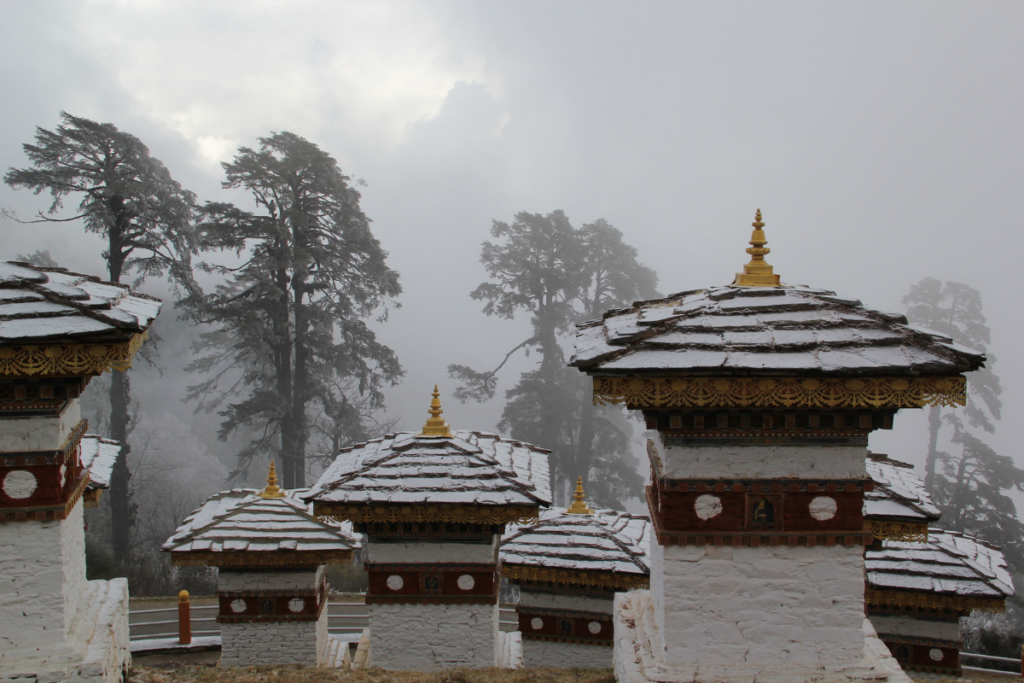
Considering all four seasons, the best time to travel to Bhutan from Australia is generally spring (March–May) and autumn (September–November).
Why These Seasons Are Ideal
- Pleasant weather for sightseeing and trekking.
- Optimal conditions for photography and outdoor adventures.
- Access to major festivals and cultural events.
Spring offers blooming landscapes, while autumn provides clear skies and perfect visibility of the Himalayas. For Australians planning their journey, these seasons allow for both adventure and cultural immersion.
How Weather Affects Cultural Events
Bhutanese festivals, or Tshechus, are deeply rooted in tradition and often linked to seasonal cycles. Weather can influence festival timing, location, and accessibility.
- Heavy monsoon rains may affect outdoor performances or travel between valleys.
- Festivals during spring and autumn enjoy high attendance due to favorable weather.
- Winter festivals are quieter but offer a unique, local experience.
For travellers from Australia, aligning your visit with a festival ensures an enriching cultural encounter while navigating Bhutan’s variable climate.
Thimphu Festival 2026 and Seasonal Planning
One of the most anticipated events for visitors is the Thimphu Festival 2026, held annually in the capital city. This festival showcases Bhutanese culture through traditional dances, mask performances, and spiritual rituals.
Planning Your Visit
- Timing: The festival typically takes place in late September to early October, coinciding with autumn’s clear skies.
- Weather Considerations: Mild temperatures and minimal rainfall make it ideal for outdoor events.
- Activities: Visitors can witness sacred dances, explore Thimphu’s markets, and interact with locals.
For Australians travelling to Bhutan, attending the Thimphu Festival 2026 offers a once-in-a-lifetime opportunity to experience Bhutanese traditions against the backdrop of pleasant autumn weather.
Packing Tips for Different Seasons
Packing appropriately ensures comfort and safety during your Bhutan trip.
Spring and Autumn
- Layered clothing for temperature variations.
- Comfortable walking shoes for sightseeing and light trekking.
- Light rain jacket for occasional showers.
Summer (Monsoon)
- Waterproof clothing and shoes.
- Umbrella or poncho for heavy rains.
- Quick-dry fabrics for comfort in humid conditions
Winter
- Warm jackets, gloves, and thermal wear
- Woollen hats and scarves for high-altitude excursions
- Sunglasses and sunscreen for clear, sunny days.
Health and Safety Considerations
Health and Safety Considerations When Traveling to Bhutan from Australia
Traveling to Bhutan from Australia is a remarkable experience, but it requires careful attention to health and safety due to the country’s diverse geography, high-altitude destinations, and variable weather conditions. Proper preparation can help ensure a safe, comfortable, and enjoyable trip.
Altitude Awareness
Many popular destinations in Bhutan, such as Paro, Thimphu, and Bumthang, are situated at high elevations ranging from 2,200 to 3,000 meters above sea level. At these altitudes, the air contains less oxygen, which can lead to altitude sickness for travelers who ascend too quickly. Symptoms may include headaches, nausea, fatigue, dizziness, and shortness of breath.
To mitigate the effects:
- Acclimatize gradually: Spend your first day at a moderate elevation before ascending higher.
- Avoid overexertion: Take it easy on the first few days, limiting strenuous activity like hiking or climbing.
- Monitor symptoms: Mild symptoms are common, but if severe headache, vomiting, or dizziness persists, descend to a lower altitude immediately and seek medical attention.
- Medication: Some travelers consult a doctor for preventive medication for altitude sickness.
Hydration
Staying well-hydrated is crucial, especially in Bhutan’s dry winter months and at higher elevations where dehydration can occur quickly. Dehydration can exacerbate altitude sickness and leave you feeling fatigued or lightheaded.
Tips for proper hydration:
- Carry a reusable water bottle: Many hotels and lodges provide filtered water; refill as needed.
- Drink regularly: Don’t wait until you’re thirsty; small, frequent sips are best.
- Limit alcohol and caffeine: Both can contribute to dehydration, especially at high altitudes.
Sun Protection
Even when temperatures are cool, the sun in Bhutan can be intense due to the high altitude and thin atmosphere. UV exposure is stronger in mountainous regions, increasing the risk of sunburn and skin damage.
Protect yourself with:
- High-SPF sunscreen: Apply every few hours, especially if you’re outdoors trekking or sightseeing
- Protective clothing: Long sleeves, wide-brimmed hats, and sunglasses with UV protection are recommended.
- Lip balm with SPF: Often overlooked, lips are vulnerable to sunburn at high altitudes.
Travel Insurance
Travel insurance is strongly recommended for Australians visiting Bhutan. Despite the country’s safety and low crime rates, unforeseen events can occur, such as health emergencies, travel delays, or accidents.
When choosing insurance:
- Ensure medical coverage includes high-altitude conditions, hospitalization, and emergency evacuation.
- Check for trip cancellations or interruptions: Monsoon rains or other weather-related issues can affect travel plans.
- Keep insurance documents handy: Carry both digital and printed copies of your policy and emergency contact numbers.
By prioritizing altitude awareness, hydration, sun protection, and comprehensive travel insurance, Australians can travel safely and fully enjoy the breathtaking landscapes, cultural experiences, and festivals that Bhutan has to offer, including highlights such as the Thimphu Festival 2026.
Planning Your Itinerary Around Weather
A well-planned itinerary maximises enjoyment and comfort.
Sample Recommendations
Spring: Combine cultural exploration with trekking in Paro and Punakha. Attend local festivals if possible.
Summer: Focus on sightseeing in northern regions, where rainfall is less intense. Include visits to monasteries and valley tours.
Autumn: Ideal for attending Thimphu Festival 2026 and trekking in Bumthang or Phobjikha Valley.
Winter: Explore lowland valleys, Thimphu city, and cultural heritage sites while enjoying snowy landscapes.
Flexibility is key; always check weather forecasts before embarking on outdoor activities.
Conclusion
Travelling to Bhutan from Australia offers an unparalleled journey into one of the world’s most serene and culturally rich countries. By understanding Bhutan’s weather seasons, Australian travellers can optimise their experience, whether their focus is trekking, sightseeing, or attending iconic events like the Thimphu Festival 2026.
Spring and autumn provide the most favourable conditions, with mild temperatures, minimal rainfall, and breathtaking scenery. Summer, while rainy, offers lush landscapes and fewer tourists, and winter provides a peaceful, snowy retreat for those seeking tranquility. Proper planning, packing, and awareness of seasonal variations ensure that your Bhutan adventure is safe, comfortable, and unforgettable.
Bhutan’s seasonal diversity, cultural vibrancy, and natural beauty make it a compelling destination for Australians seeking both adventure and cultural enrichment.
